Blog



The story of Someone's House is as original and unique as the concept it's built upon. The chairman of the board of Someone's Entertainment Group, Asil Ersoydan shares the story of House.
Asil Ersoydan recalls the beginning through observation rather than a moment. Looking back over years of private meetings, a pattern became apparent. People were searching for that comfortable, no-explanation-needed vibe. Rooms mattered as much as music. Before people spoke, objects did. Trust was built around the kitchen, a place of shared creation and nourishment. The long, winding corridor made them move at a more leisurely pace. That living room sure held onto its stories, even after midnight.
The idea was built on a basic demand. A home could host people but still feel like its own space.Personal rooms could exist alongside shared ones. A well-run home could make social interactions smoother. Bit by bit, the image took shape: a dad's room, a daughter's room, the kitchen, a salon, work zones, peaceful corners, and a garden suspended over the action. Domestic logic led the way. Memory guided the rest.
Asil took a moment to process that, then went on.
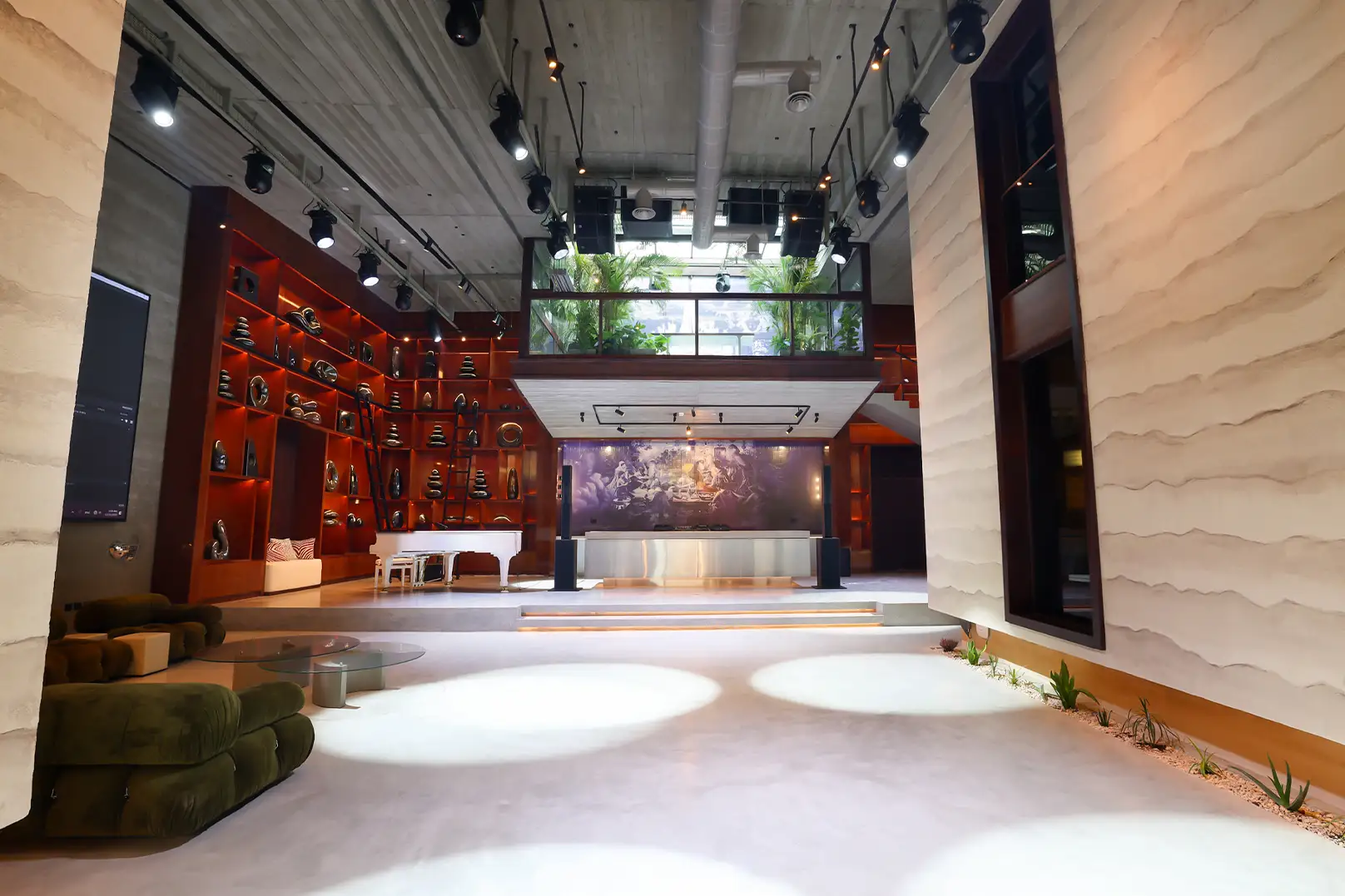
Asil describes classic event venues as spaces built for turnover. Chairs move, lights flash, guests arrive, guests exit. A clean slate follows. That blankness isn't okay with Someone's House. The concept calls for traces. As soon as you enter, you can feel a life story told by the walls.
Rooms matter here. Corners matter. Objects matter. People feel a home's gravity, even during a loud night.
The initial concept was what held the entire project together.
2025 became the year for site selection. Asil was seeking a spot that was central and easy for artists, hosts, and creative people to get to. Al Khayat Avenue felt right for that reason. The location was super convenient for art, energy, and city life, but also felt private.
Asil's aim is pretty straightforward: a private spot close to the city center that's easy for guests to get to, good for the staff, and nice for fancy get-togethers.
Got the location; that's one problem down.
A second need came in right away. The idea had to be incorporated into the
design. A new shell wouldn't feel lived in. Asil wanted a place with a past. An industrial garage was where the answer showed up.
The garage had some heavy memories. Concrete, steel, grit, utility. Those bits can stay out in the open and be genuine. The project could then layer domestic warmth on top, in full view.
Alper Alhan entered the project at that point. According to Asil, Alhan successfully preserved the garage's former character while adapting it for a new, glamorous use.
Garage Memory Stayed, A Modern House Arrived
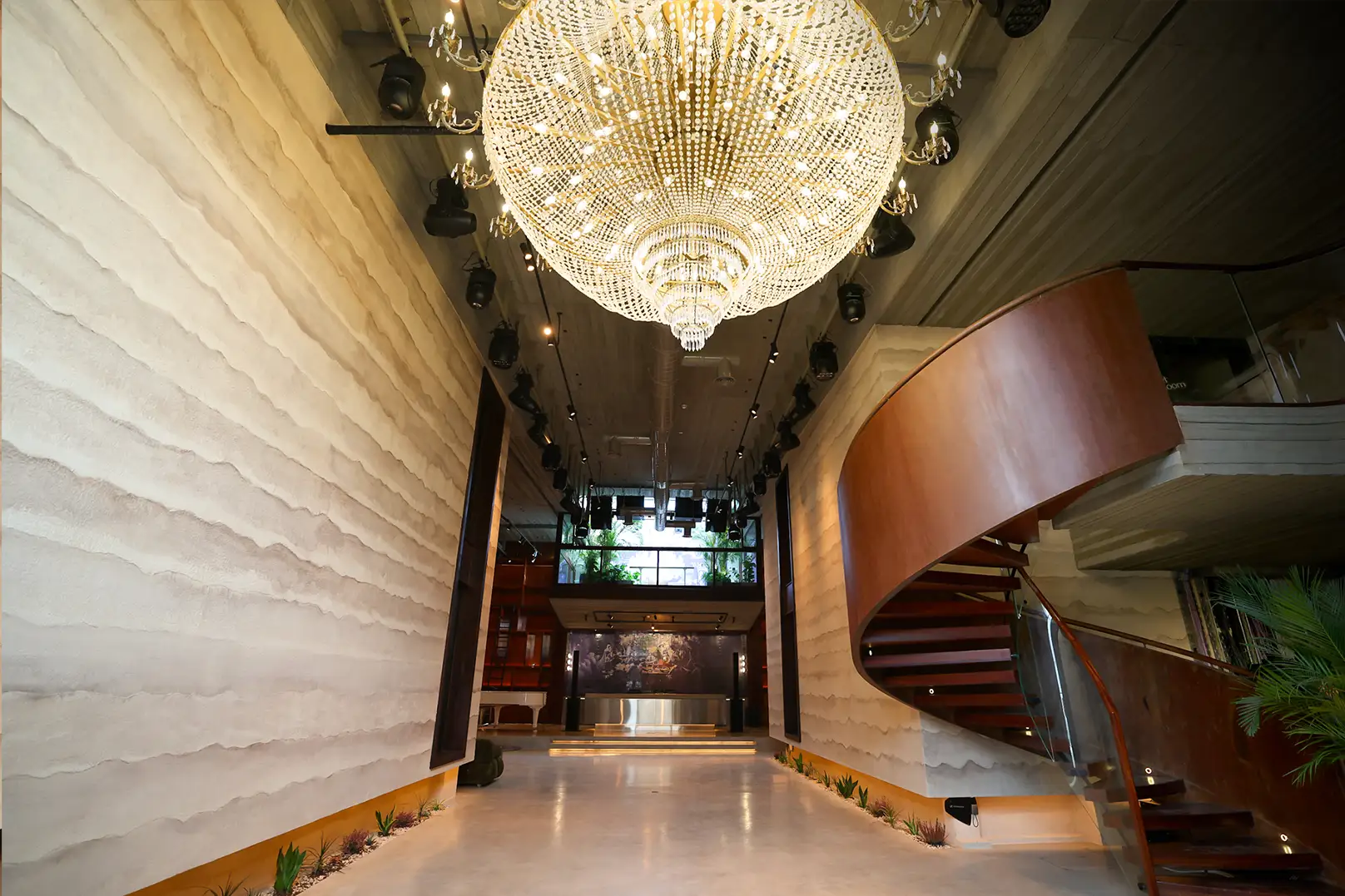
You'll find contrast in every aspect of Someone's House. In Alper Alhan's design, raw concrete meets finished wood. Past-era forms meet current-era lines. Pastel clay tones sit near sharper greens. Warm ivory hues sit near darker, earth-driven tones.
The look Alhan goes for is a mix of industrial grit and swank. With tough metal and stone, he creates a grounded, substantial look, and the subtle shine just hints at confidence. From the entryway to the chill living area and the spare bathroom, everything in the space seems planned out. Composure, rather than an overt welcome, offers comfort. Indeed, it is a selective, self-assured, and intellectually charged environment.
Asil describes it as a dad's heavy feeling next to his daughter's bright energy. The House has them too. Guests sense the atmosphere, then sense the mood.
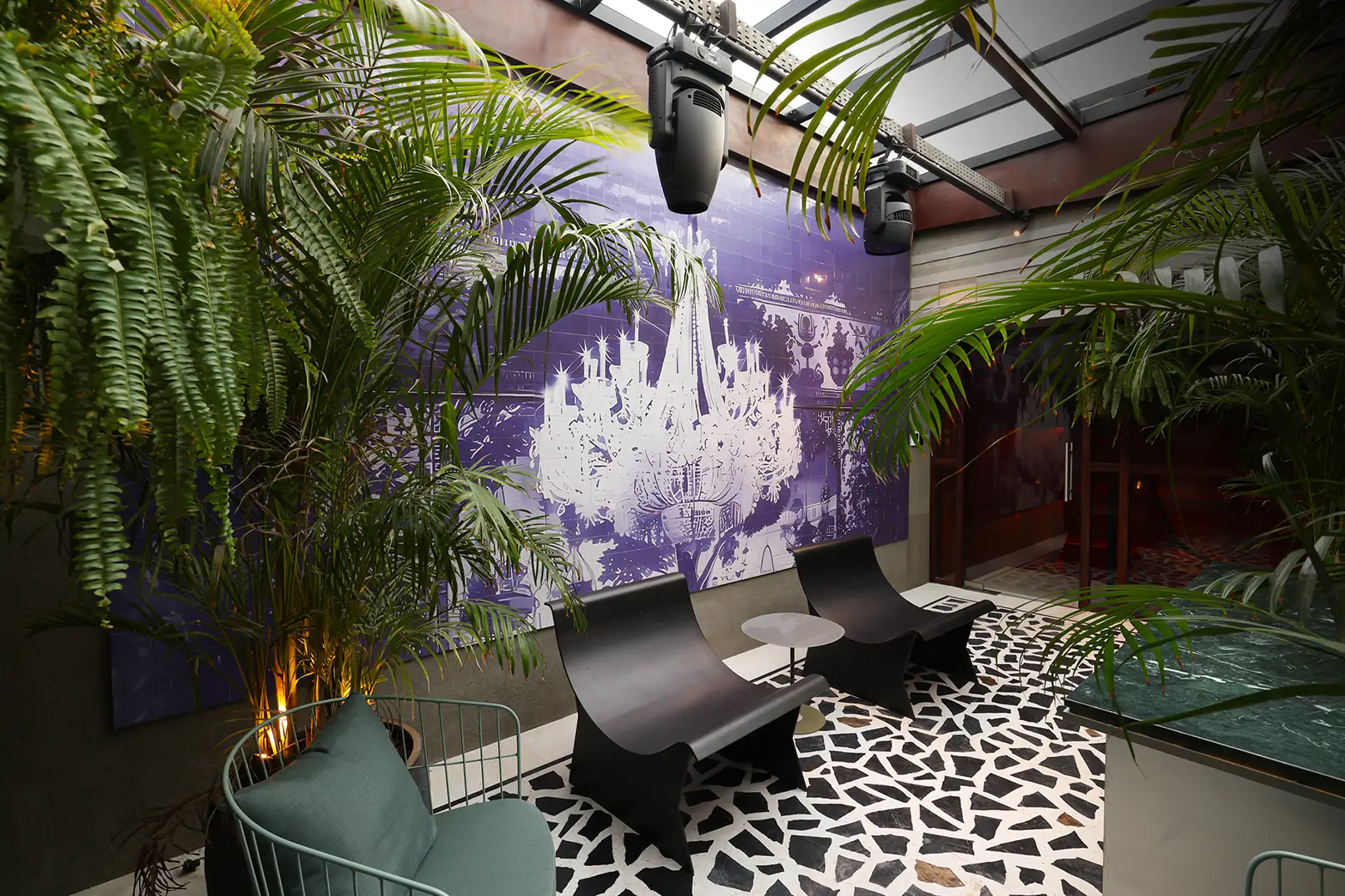
Modern and vintage pieces are mixed in. A classic automobile reads like a sculpture. Hand-painted tiles add a handmade touch near harder surfaces. Books and art objects fill a double-height library wall, selected for visual tension and cultural range.
The result feels like a home that welcomes various moods.
The kitchen island is a frequent spot for Asil. It's the center of all the social thing. The food starts there. That's where the chat picks back up. People orbit it without instruction.
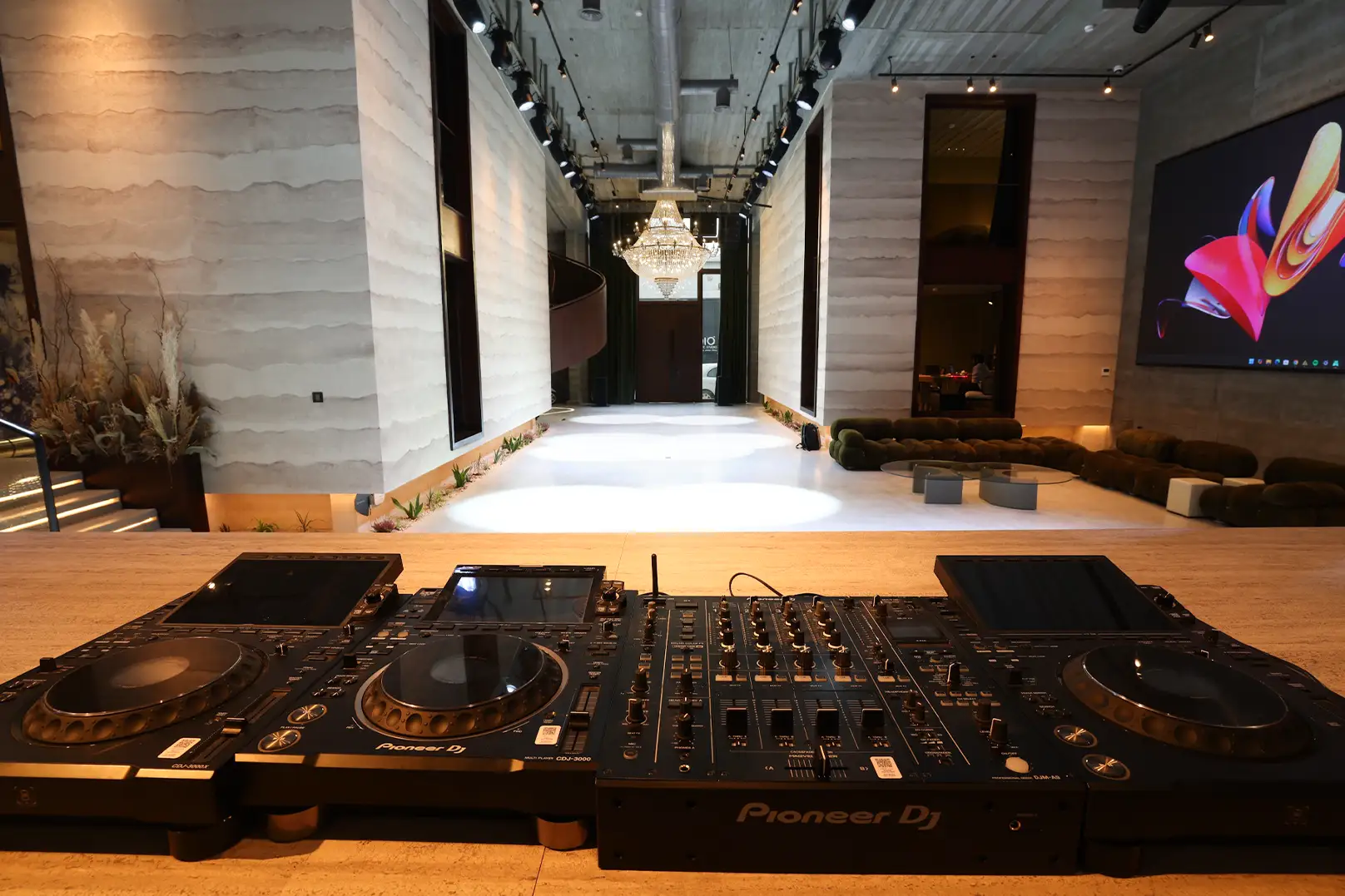
The island's purpose shifts again when it's dark. The DJ can own the middle and let the sound take over. The lights will come on. People will follow. The house is set up for dinner vibes and nighttime fun.
That powder room's got a double life. The room can also be a small DJ setup. It's in the project's DNA to have homes that can transform based on the owner's ideas.
Asil thinks art is just another part of how a house "speaks" day to day. Seating and walkways are close to the artwork. Guests see art near conversation, near music, near drink.
You can see changing artwork and objects on the library wall. Both new and known names go on the same shelf. Guests can purchase pieces, then carry a part of the night home in physical form.
Art remains social here, never distant.
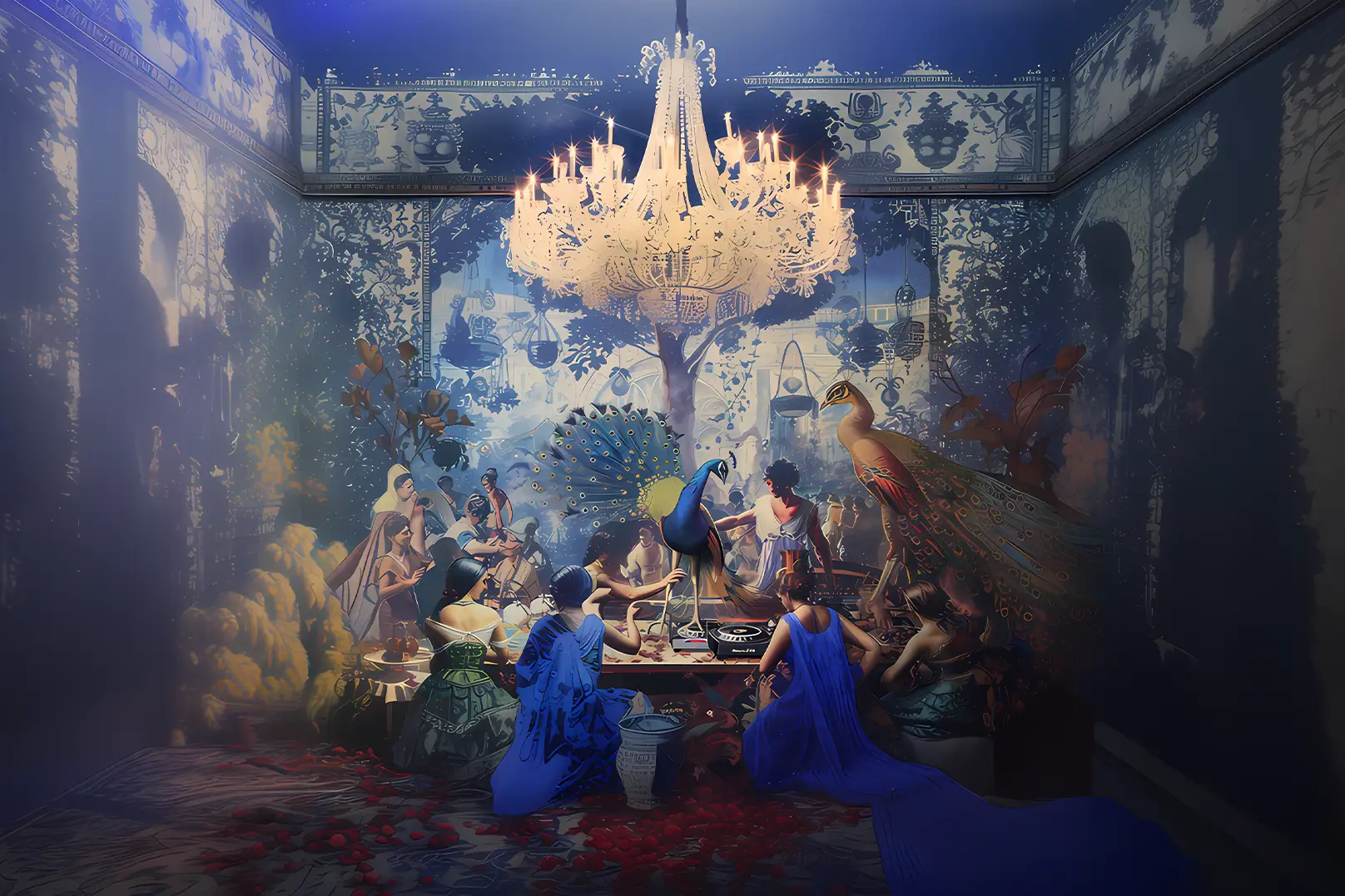
Asil also shares a private layer. Story-wise, the house was meant for someone, but it was a place nobody could really call home. The myth frame ended the paradox. Hera became the unseen owner. Koris became the watcher and gatekeeper.
Public-facing language never uses those names. Guests still feel the effect. It stays curated. No exceptions to the invitation. It feels like the house is always observing, even when it's noisy.
Asil puts it like this: a lived-in home that's actually vacant.
Asil is pretty straightforward when talking about the promise. Guests enter a private party planned by the host. The host decides who gets invited. The host runs the show. The room responds to that plan.
Someone's House measures around 400 square meters and supports up to 250 guests. The scale allows a party to feel full yet still personal. Groups don't get broken up; they stay in touch.
Support options exist for hosts who want more layers. DJs, dancers, culinary teams, and service crews are welcome to join. The host still rules the night's logic. The house remains a tool, never the author.
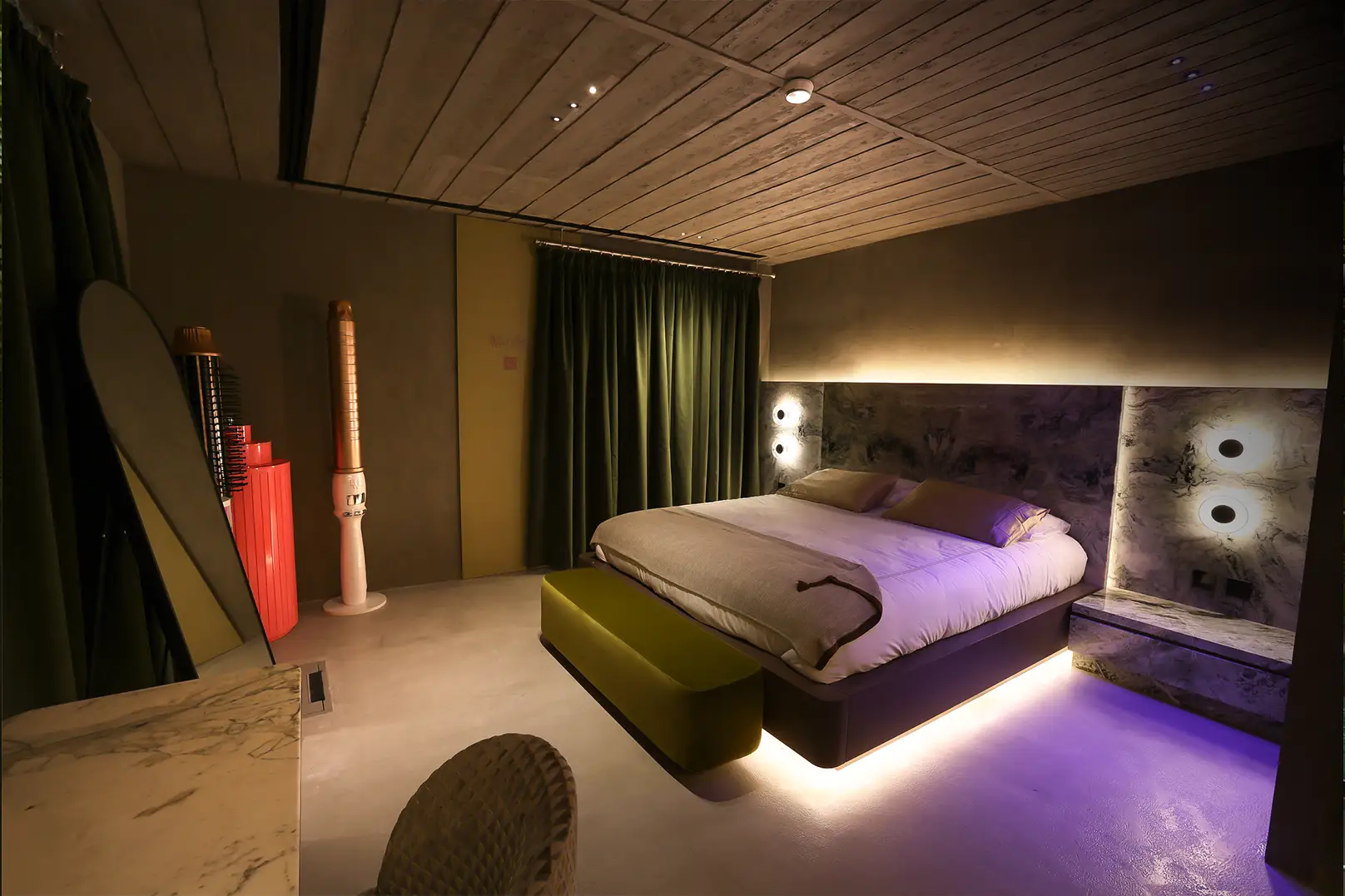
Asil focuses on the feelings, not the business side. When people come in, they pick up on a familiar vibe. Someone finds a corner that feels like a childhood memory. Someone finds a table that feels like a family dinner. Someone finds a room that feels like a first song sung among friends. Guests leave with recognition. The house
stays.
Someone's House began as a thought on a walk. Asil carried it home to Dubai. A garage gave it history. Design gave it contrast. The rest belongs to the people who enter.